Business Name: BeeHive Homes of Clovis
Address: 2305 N Norris St, Clovis, NM 88101
Phone: (505) 591-7025
BeeHive Homes of Clovis
Beehive Homes of Clovis assisted living care is ideal for those who value their independence but require help with some of the activities of daily living. Residents enjoy 24-hour support, private bedrooms with baths, medication monitoring, home-cooked meals, housekeeping and laundry services, social activities and outings, and daily physical and mental exercise opportunities. Beehive Homes memory care services accommodates the growing number of seniors affected by memory loss and dementia. Beehive Homes offers respite (short-term) care for your loved one should the need arise. Whether help is needed after a surgery or illness, for vacation coverage, or just a break from the routine, respite care provides you peace of mind for any length of stay.
2305 N Norris St, Clovis, NM 88101
Business Hours
Monday thru Sunday: 9:00am to 5:00pm
TikTok: https://tiktok.com/@beehivehomes_clovis
YouTube: https://www.youtube.com/@WelcomeHomeBeeHiveHomes
Facebook: https://www.facebook.com/beehiveclovis
Instagram: https://www.instagram.com/beehivehomesclovis/
Family caregiving frequently begins with an easy guarantee: I'll help you remain at home. At first it's a weekly grocery run or rides to visits. Then the weeks turn into years, the jobs increase, and the stakes increase. Medication schedules, shower help, nighttime wandering, injury dressings, meal prep that aligns with diabetes or heart failure. Caregivers fold all of it into their lives while still working, parenting, or trying to keep their own health in check. It's possible to do it all for a while. It's not sustainable forever.
Respite care exists to bridge that space. Done well, it gives caretakers a real break and offers the person getting care not just supervision, however enrichment, safety, and continuity. The mistaken belief is that respite is a compromise, an action down in quality from what a devoted member of the family provides. In practice, the very best respite programs match or exceed home regimens, since they bring staffing, equipment, and structure that are tough to reproduce at the cooking area table.
This is where assisted living communities and memory care areas have a quiet but crucial function. Short-stay programs in senior living use the exact same care framework as long-term locals, just on a short-term basis. That can be 3 days, 2 weeks, or a month, depending upon need. The goal is straightforward: keep the caretaker whole, and keep the elder steady, engaged, and safe.
Why caretakers hesitate, and why a time out matters
Most caregivers who resist respite aren't declining the idea. They fret about the transition. What if Mom gets puzzled in a brand-new environment? Will Dad accept assist with bathing from somebody new? Will the staff understand how to encourage hydration or manage a persistent injury? The regret is genuine too. Lots of caregivers tell me they feel they're supposed to be able to do it all, that requesting for aid is a signal they're failing.
Experience suggests the opposite. The families who make respite a regular, rather than a last hope, tend to keep their loved ones in your home longer. A rested caretaker is less most likely to snap, rush, or make medication mistakes. And the individual receiving care benefits from varied social interaction, structured activities, and treatment services that don't constantly in shape nicely into a home day.
Caregivers likewise undervalue how much their fatigue shows up in health events. I have actually seen caregivers avoid their own medical appointments, delay dental work, and live on caffeine and crackers. The foreseeable result is a crisis, typically during the night or on a weekend, when both caregiver and loved one end up in emergency clinic. An arranged respite period every 6 to 12 weeks is a simple hedge against that pattern.
What respite care appears like in practice
Respite care can be organized in your home, in adult day programs, or within assisted living and memory care communities. Each format memory care has its strengths. Home-based respite preserves environments and regimens. Adult day programs include socialization and structured activities throughout work hours. Brief stays in senior living deal the most extensive protection, consisting of nursing assistance, treatment services, and 24-hour oversight.
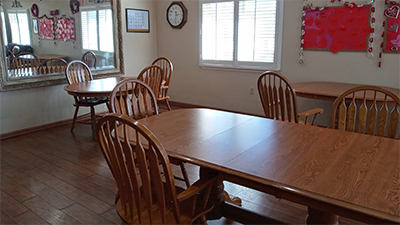
In an assisted living setting, a respite stay usually consists of a supplied apartment or condo or suite, meals, individual care support, and access to the daily life of the community. The person joins exercise classes, art groups, music hours, and getaways, similar to any resident. For memory care respite, the environment is smaller sized and protected, with personnel trained to manage dementia behaviors, pacing, and sensory requirements. I typically encourage households to set up the very first respite week throughout a time when the community calendar provides preferred activities, like live music, chair yoga, or gardening, to smooth the transition.
An information that makes a big distinction: continuity of medications and therapies. The respite group transcribes medication orders from the existing physician, coordinates drug store delivery, and follows the very same dosing schedule the household has established. If the individual is receiving physical or occupational treatment at home, many communities can align with the therapy strategy or generate the very same therapy supplier. That piece decreases the risk of deconditioning throughout the respite period.
Quality is not a trade-off
An experienced caretaker knows regimens matter. Individuals with dementia typically do better when early mornings follow the very same series, meals come to predictable times, and the very same two or 3 faces offer care. It's reasonable to ask whether a short-term relocate to a new place can maintain that structure. With a great handoff, it can.
The greatest respite programs start with a pre-admission interview that checks out like a household scrapbook. What aids with bathing? Which songs relax agitation during sundown hours? How does the person like their tea? Do they prefer long sleeves to cover thin skin? What's their typical blood sugar range after breakfast? This depth of detail implies personnel don't stroll in cold on day one. They welcome the individual by name, know their partner's nickname, and offer scones if that's their 3 p.m. practice. Those small touches keep the nervous system from spiking, especially in memory care.
Quality likewise shows up in ratios and training. In assisted living, personnel are trained for transfers, incontinence care, medication administration, and fall avoidance. In memory care, staff complete extra modules on redirection, validation methods, and how to cue without infantilizing. The individual gets expert support all the time, which is not constantly feasible at home.
Equipment matters too. Hoyer lifts, shower chairs with correct stabilization, non-slip floor covering, bed alarms calibrated to avoid incorrect positives, and circadian lighting in some memory care communities. Those features decrease the chance of a fall or skin tear. Households often tell me they feel they need to choose between security and dignity. The right equipment permits both.
When respite care avoids larger problems
A brief stay can feel like a small thing. It hardly ever makes headings in a family's story. Yet it typically prevents the occasions that do become heading minutes: the fracture that sends out somebody to rehab, the urinary system infection missed since nobody saw reduced fluid intake, the caregiver's back injury from a badly timed transfer.
There is also the more intangible advantage. People often return from respite with renewed hunger, a better sleep cycle, and fresh energy for discussion. Exposure to a new workout class, a volunteer musician, or good-humored tablemates can reawaken motivation. I consider a retired store instructor who stayed in memory care for two weeks while his daughter took a trip for work. He uncovered a woodworking group utilizing soft balsa jobs with safety tools, and his child kept the Friday sessions after respite ended. That a person shift stabilized his afternoons and minimize pacing, which reduced evening agitation at home.
For caretakers, relief is measurable. High blood pressure down by a couple of points, headaches less frequent, a full night's sleep that resets their own persistence. The caregiver's tone changes when they welcome their loved one. That positive feedback loop is not emotional, it has practical results on daily care.
Fitting respite into the bigger care plan
Families frequently ask when to begin. The best time is before you feel at the edge. The second-best time is now. A basic rhythm works: select a consistent interval, book a stay well ahead of time, and treat it like a standing appointment. This eliminates the friction of decision-making each time and lets the person become acquainted with the very same environment.
In senior living, much shorter initial stays can work well. Three to 5 days offers a test run with low interruption. If sleep or wandering is an issue, select spans that cover weekends, when staffing in other settings can be leaner. In time, many families choose 7 to 2 week every few months. People with quickly changing needs may benefit from much shorter, more regular stays to recalibrate care strategies and prevent caretaker overload.
The handoff process deserves care. Bring enough of the home regimen to lower friction, however not a lot luggage that the individual feels rooted out. Favorite cardigan, framed image from a pleased year rather than a confusing current occasion, familiar toiletries, and a lap blanket with a recognized texture. Skip clutter that makes complex transfers or trips personnel. Supply a medication list with dosing times in plain language and consist of over the counter products like fiber gummies or melatonin, since those information end up being tripwires if missed.
Assisted living versus memory care for respite
Choosing in between assisted living and memory care for respite depends upon the individual's cognitive profile, security awareness, and habits patterns. If the individual is oriented, can follow hints, and primarily requires help with physical jobs, assisted living is usually appropriate. They'll benefit from a bigger neighborhood, broader activity mix, and apartment or condos that allow more independence.
Memory care is the right fit if roaming, exit-seeking, sundowning, or frequent redirection belongs to life. A protected environment avoids elopement without developing a prison-like feel. Shows is created in shorter blocks, with sensory breaks and quieter spaces. Personnel are trained to check out the moments behind behaviors. For example, repetitive questions may suggest discomfort, cravings, or a need to toilet, not simply anxiety. Memory care units often utilize purposeful tasks, like sorting or basic assembly activities, to channel energy into success.
In both settings, the focus during respite need to be on consistency. If the individual utilizes a specific cueing technique for dressing, ask staff to mirror it. If they do better with a late-morning shower, stick to that window. The ideal fit appears within a day or 2. If you see the individual unwinded, eating well, and getting involved, that's an indication the environment matches their existing needs.
Cost, protection, and what to ask before booking
Respite care is generally private pay, but there are exceptions. Veterans may qualify for respite through VA advantages, often up to one month each year, and some state Medicaid waivers cover short-term remain in approved settings. Long-term care insurance plan frequently compensate respite similar to home care or assisted living, as long as benefit triggers are satisfied. Adult day programs are usually the most affordable alternative, billed each day or half-day. Assisted living and memory care respite is more costly, normally priced each day, and includes room, meals, and care.
Regardless of format, clearness beats presumption. The most useful pre-admission conversations cover care scope, staffing, and communication practices. Before signing, get clear answers to a few essentials:
- What particular care tasks are included in the daily rate, and what sustains add-on fees? How are medication errors prevented and reported, and who coordinates with the pharmacist? What is the over night staffing pattern, including nurse availability and action times? How will the team upgrade the family throughout the stay, and who is the single point of contact? What happens if the individual's condition modifications during respite, consisting of hospitalization logistics?
That brief list can prevent most misconceptions. It also signals to the neighborhood that the family is engaged and anticipates professional interaction, which typically enhances everyone's performance.
Safety, self-respect, and the art of redirection
Dementia modifications how individuals translate the world, not their need for regard. Staff who excel in memory care respite do not argue with delusions or correct every misstatement. They validate feelings, use options, and redirect with function. A guy trying to find his cars and truck keys at 8 p.m. might accept aid "examining the parking lot in the morning," followed by a soothing tea and a familiar song. A woman calling a deceased sister may settle if personnel acknowledge the bond and welcome her to compose a note. The aim is not to win an argument. It is to keep the person comfortable and safe while maintaining dignity.
These strategies operate at home too. Respite staff can model them, providing families fresh techniques for difficult hours. I have actually viewed a caretaker adopt a basic series for sundowning: dim lights, peaceful music, a warm washcloth for face and hands, then a sluggish walk. She learned it by observing memory care staff, then brought the regular home and halved her evening meltdowns.
When respite reveals a need to recalibrate
Sometimes respite functions like a mirror. The person settles immediately, eats much better, or strolls more with constant cueing. That can be motivating and hard at the exact same time, since it suggests the home routine is stretched thin. Other times, the stay surface areas new concerns: a swallow modification, a hidden skin breakdown, or a medication side effect masked by daytime interruptions. In both cases, details is a present. Families can return home with a refined plan, adjusted medications, or brand-new devices that avoids a little problem from becoming urgent.
There is also the longer arc. A household that utilizes respite regularly can determine alter more accurately. If transfers need two people now, if wandering danger has increased, or if nighttime wakefulness does not respond to routine, those patterns inform future options. Moving from home to full-time assisted living or memory care is not failure. It is the truth of a condition advancing. Routine respite assists households make that choice based on observation instead of crisis.
How to prepare the person for a short stay
Change lands better with context. A straight announcement typically raises defenses, while a framed function decreases resistance. "You're going to a hotel" seldom works with adults who lived full lives. A simple, truthful story is much better: "The community has a fantastic art program this week, and I'm catching up on some consultations. I'll be there for dinner on Wednesday." For individuals with memory loss, keep explanations short and reassuring, repeat as needed, and lean on visual hints such as a printed calendar with visit times.
Packing works best when essentials reflect individuality. Clothing that fit and feel familiar. Proper shoes. Favorite sweater. Glasses and hearing aids with identified cases. A pocket calendar or note pad if they've used one for several years. A lot of incontinence products if relevant, even if the neighborhood stocks their own. If the person utilizes adaptive utensils or a weighted mug, send those along. Label items discreetly to avoid mix-ups.
Share a one-page profile with personnel. Consist of the person's favored name, previous profession, hobbies, normal wake and sleep times, essential medical conditions, allergic reactions, and 2 or three soothing methods that generally help. Add a little picture from a time when they felt most themselves, which offers personnel a way to connect beyond today illness.

The role of adult day services in the respite mix
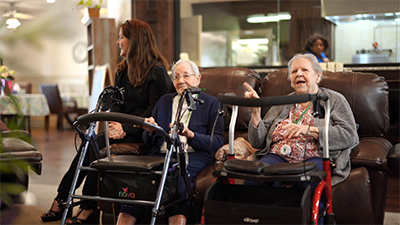
Not every break needs an over night stay. Adult day programs are underused and often perfect for households stabilizing work schedules or choosing to keep nights in your home. The best programs combine social time, meals customized to dietary needs, health monitoring, and transport. For individuals with early to middle-stage dementia, specialized day programs offer cognitive stimulation without overstimulation. I have actually seen participants keep language skills and gait stability longer with regular attendance because movement, hydration, and social triggers happen in a predictable rhythm.
Day services also work as a stepping stone. They familiarize the individual with being supported by others and with leaving home frequently. If a future overnight respite ends up being necessary, the environment feels less foreign. And for caretakers who hesitate to devote to a week away, a couple of days weekly of day services can extend their endurance indefinitely.
What excellent respite feels like to the person receiving care
Ask someone after an effective stay and the answers differ. Some discuss the food or an employee with a flair for jokes. Others speak about music, a puzzle table by the window, or a warm yard with herbs they can rub between their fingers. In memory care, the recognition often comes nonverbally. A person who goes into agitated and leaves calmer. Fewer refusals at bath time. Meals finished without prompting.
Good respite feels like being anticipated, not parked. Staff welcome the person in the early morning and say goodnight, not simply clock in and out around them. There's attention to little victories, like coherent sentences strung together throughout a conversation group or an effective transfer finished with less worry. The day has a spinal column: meals at constant times, body in movement multiple times, rest used before agitation spikes.
What excellent respite seems like to the caregiver
Relief, but likewise trust. The first day is frequently rough, with second thoughts and nervous monitoring of the phone. Then the texts or calls show up: "He joined music hour and tapped along." Or the photo of a lunch plate cleaned up without coaxing. The caregiver goes to a dental visit they've postponed two times, gets back, and naps in a peaceful home without one ear open for a call from the bathroom.
When pickup day comes, they're ready to reconnect. The reunion is easier when the caretaker isn't running on fumes. They can hear the neighborhood's observations with interest rather than defensiveness. They may bring home a new transfer method or a better way to structure afternoons. They prepare the next break before they forget how much this helped.
Building a sustainable rhythm
Caregiving is not a sprint, and it is not precisely a marathon either. It is a series of intervals, long and short, interspersed with take care of the caregiver. Respite care inserts breathable space into that pattern. It works best when it's regular, not rescue; when it honors the loved one's identity; and when it leverages the strengths of assisted living, memory care, and adult day services without giving up the heart of home.
Families don't require to pick in between dedication and support. The ideal short stay gives both. The caretaker returns steadier. The person returns stimulated and seen. And the next week in your home is more likely to be safe, client, and kind, which is what everyone wished for when that first promise was made.
BeeHive Homes of Clovis provides assisted living care
BeeHive Homes of Clovis provides memory care services
BeeHive Homes of Clovis provides respite care services
BeeHive Homes of Clovis supports assistance with bathing and grooming
BeeHive Homes of Clovis offers private bedrooms with private bathrooms
BeeHive Homes of Clovis provides medication monitoring and documentation
BeeHive Homes of Clovis serves dietitian-approved meals
BeeHive Homes of Clovis provides housekeeping services
BeeHive Homes of Clovis provides laundry services
BeeHive Homes of Clovis offers community dining and social engagement activities
BeeHive Homes of Clovis features life enrichment activities
BeeHive Homes of Clovis supports personal care assistance during meals and daily routines
BeeHive Homes of Clovis promotes frequent physical and mental exercise opportunities
BeeHive Homes of Clovis provides a home-like residential environment
BeeHive Homes of Clovis creates customized care plans as residents’ needs change
BeeHive Homes of Clovis assesses individual resident care needs
BeeHive Homes of Clovis accepts private pay and long-term care insurance
BeeHive Homes of Clovis assists qualified veterans with Aid and Attendance benefits
BeeHive Homes of Clovis encourages meaningful resident-to-staff relationships
BeeHive Homes of Clovis delivers compassionate, attentive senior care focused on dignity and comfort
BeeHive Homes of Clovis has a phone number of (505) 591-7025
BeeHive Homes of Clovis has an address of 2305 N Norris St, Clovis, NM 88101
BeeHive Homes of Clovis has a website https://beehivehomes.com/locations/clovis/
BeeHive Homes of Clovis has Google Maps listing https://maps.app.goo.gl/SMhM3zbKaKgR1UAX6
BeeHive Homes of Clovis has TikTok page https://tiktok.com/@beehivehomes_clovis
BeeHive Homes of Clovis has Facebook page https://www.facebook.com/beehiveclovis
BeeHive Homes of Clovis has Instagram page https://www.instagram.com/beehivehomesclovis/
BeeHive Homes of Clovis has an YouTube page https://www.youtube.com/@WelcomeHomeBeeHiveHomes
BeeHive Homes of Clovis won Top Assisted Living Homes 2025
BeeHive Homes of Clovis earned Best Customer Senior Service Award 2024
BeeHive Homes of Clovis placed 1st for Senior Living Communities 2025
People Also Ask about BeeHive Homes of Clovis
What is BeeHive Homes of Clovis Living monthly room rate?
The rate depends on the level of care that is needed. We do a pre-admission evaluation for each resident to determine the level of care needed. The monthly rate is based on this evaluation. There are no hidden costs or fees
Can residents stay in BeeHive Homes until the end of their life?
Usually yes. There are exceptions, such as when there are safety issues with the resident, or they need 24 hour skilled nursing services
Do we have a nurse on staff?
No, but each BeeHive Home has a consulting Nurse available 24 – 7. if nursing services are needed, a doctor can order home health to come into the home
What are BeeHive Homes’ visiting hours?
Visiting hours are adjusted to accommodate the families and the resident’s needs… just not too early or too late
Do we have couple’s rooms available?
Yes, each home has rooms designed to accommodate couples. Please ask about the availability of these rooms
Where is BeeHive Homes of Clovis located?
BeeHive Homes of Clovis is conveniently located at 2305 N Norris St, Clovis, NM 88101. You can easily find directions on Google Maps or call at (505) 591-7025 Monday through Sunday 9:00am to 5:00pm
How can I contact BeeHive Homes of Clovis?
You can contact BeeHive Homes of Clovis by phone at: (505) 591-7025, visit their website at https://beehivehomes.com/locations/clovis/ or connect on social media via TikTok Facebook or YouTube
Ned Houk Memorial Park provides scenic desert landscapes and picnic areas suitable for assisted living and elderly care residents during relaxing respite care outings.